Rapamycin Dosage for Longevity: A Comparative Analysis of Protocols
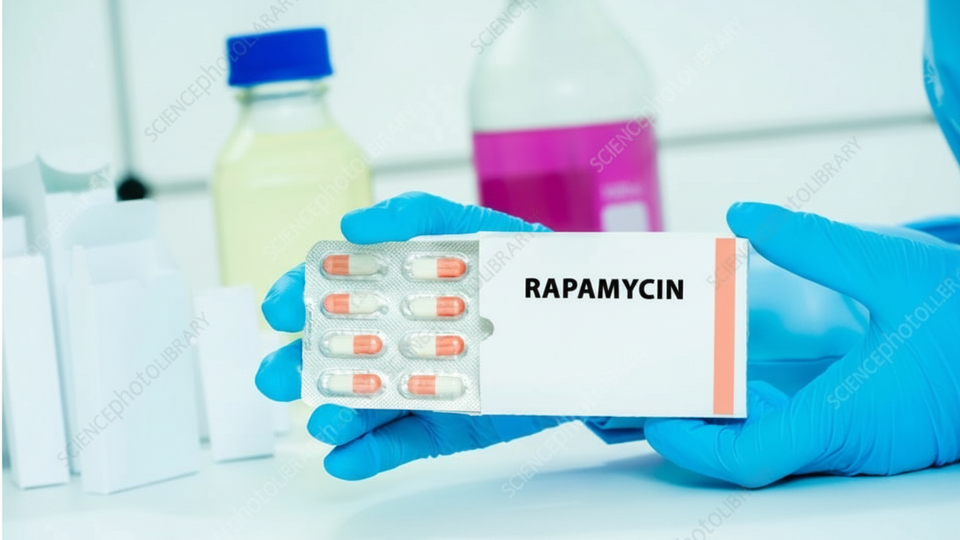
The use of rapamycin for longevity represents a shift from established medical protocols to experimental science. While rapamycin is FDA-approved for organ transplant rejection and specific cancers, its application for lifespan extension remains off-label and non-standardized.
Currently, there is no universally agreed-upon "longevity dose." However, a consensus is emerging among researchers and clinicians that distinguishes "pulsed" (intermittent) dosing from the continuous daily dosing used in transplant medicine [1].
Note: This article provides a comparative analysis of existing data and clinical trial protocols. It is not medical advice. Rapamycin is a potent immunomodulator; its use requires strict medical supervision.
The Science of Pulsed vs. Daily Dosing
The fundamental debate in rapamycin dosing centers on the frequency of administration. This is not merely a matter of convenience but a critical pharmacokinetic distinction that dictates which biological pathways are inhibited.
Mechanism of Action: mTORC1 vs. mTORC2
Rapamycin works by inhibiting the mechanistic Target of Rapamycin (mTOR), a protein kinase that regulates cell growth and metabolism. mTOR exists in two distinct complexes:
- mTORC1: The primary target for longevity. Inhibition of mTORC1 mimics caloric restriction, induces autophagy (cellular cleanup), and extends lifespan in model organisms [2].
- mTORC2: Associated with immune function and insulin sensitivity. Chronic inhibition of mTORC2 is generally considered undesirable and is linked to the side effects seen in transplant patients, such as insulin resistance and immunosuppression [3].
The "Pulse" Theory
The goal of longevity protocols is to selectively inhibit mTORC1 while preserving mTORC2 function.
- Daily Dosing: Continuous exposure typically inhibits both mTORC1 and mTORC2. This is necessary for preventing organ rejection but often leads to significant side effects like hyperglycemia and hyperlipidemia [3].
- Pulsed (Weekly) Dosing: Human pharmacokinetics suggest that rapamycin has a half-life of approximately 60 hours[4]. Weekly dosing allows for a "trough" period where the drug clears the system, potentially allowing mTORC2 to recover while still suppressing mTORC1 sufficiently to induce autophagy [5].
Comparative Analysis: Rapamycin Protocols for Longevity
The following section compares specific dosing protocols referenced in clinical trials and by longevity-focused clinicians.
Clinical Trial Protocols
The PEARL Trial (Participatory Evaluation of Aging with Rapamycin for Longevity)
This randomized, double-blind, placebo-controlled trial (NCT04488601) is one of the first rigorous investigations into rapamycin for human aging.
- Dosage Arms: The trial compared intermittent doses of 5 mg per week and 10 mg per week against a placebo [6].
- Findings: Preliminary results indicated that low-dose, intermittent rapamycin was generally safe in healthy older adults, with specific improvements noted in lean tissue mass and self-reported pain scores in female participants [7].
The Dog Aging Project (TRIAD)
While this is a veterinary study, the "Test of Rapamycin in Aging Dogs" (TRIAD) is critical because dogs share our environment and many age-related pathologies.
- Protocol: The study utilizes a weekly low-dose regimen, administered to companion dogs to assess improvements in cardiac function and cognitive health [8].
- Rationale: The weekly cadence in dogs is designed to mimic the intermittent benefits observed in murine (mouse) studies, where lifespan extension was achieved without severe immune compromise [8].
Expert & Public Figure Protocols
Dr. Alan Green’s Clinical Approach
Dr. Alan Green, a clinician frequently cited in the longevity community for treating patients with off-label rapamycin, has notably advocated for a "start low, go slow" heuristic.
- Typical Range: Doses often range from 2 mg to 6 mg weekly [9].
- Titration: A common approach involves starting at 1 mg weekly and increasing by 1 mg each week, monitoring for side effects (such as mouth sores) until the target dose is reached.
Bryan Johnson (Blueprint Protocol)
Publicly available data from the "Blueprint" project indicates a protocol involving 6 mg weekly, taken before sleep.
Context: This protocol is part of a highly monitored regimen involving hundreds of biomarkers, emphasizing that such dosages are part of a broader, data-driven system rather than a standalone intervention.
Safety & Side Effects Profile
The side effects of rapamycin are dose-dependent. The profile for weekly longevity doses differs significantly from the daily high doses used in transplant medicine.
Common Side Effects (Nuisance)
- Aphthous Ulcers (Mouth Sores): This is the most frequently reported side effect in longevity cohorts. It resembles a canker sore and is distinct from the mucositis seen in chemotherapy [10]. It is often dose-limiting but typically resolves without discontinuing treatment (often treated with topical dexamethasone).
- Rash/Acne: Mild acneiform rashes may occur on the face or upper body [10].
Serious Risks & Contraindications
- Metabolic Dysregulation: While less common with weekly dosing, rapamycin can elevate serum lipids (cholesterol/triglycerides) and impair glucose tolerance [11].
- Immunosuppression: At high or daily doses, rapamycin is a potent immunosuppressant. Even at weekly doses, there is a theoretical risk of impaired bacterial infection response. It is typically contraindicated during active bacterial infections or surgery recovery (due to wound healing inhibition) [12].
The Safety Monitoring Checklist
For the "Data-Driven Optimizer," subjective feeling is insufficient. The following biomarkers are standard for monitoring safety during rapamycin therapy.
- Baseline & Quarterly Bloodwork:
- CBC (Complete Blood Count): To monitor for leukopenia or anemia.
- CMP (Comprehensive Metabolic Panel): specifically watching liver enzymes (AST/ALT) and kidney function.
- Lipid Panel: To detect elevations in LDL or Triglycerides.
- HbA1c & Fasting Insulin: To monitor for rapamycin-induced insulin resistance/pseudo-diabetes.
- Symptom Watch:
- Daily inspection for oral ulcers.
- Monitoring of wound healing speed (discontinue immediately if surgery is planned).
Practical FAQs on Administration
Best time to take Rapamycin?
Pharmacokinetic studies in Alzheimer's patients suggest high interindividual variability in absorption [4]. Some users prefer morning administration to avoid potential sleep disturbance, although definitive data on circadian timing for longevity is lacking.
With or without food?
Rapamycin has poor bioavailability. Consuming it with a fatty meal may increase absorption, potentially altering the effective dose[4]. Consistency (always with fat or always without) is key to maintaining stable blood levels.
Cyclical Dosing (The "Holiday" Concept)
To prevent potential mTORC2 inhibition accumulation, some protocols suggest a cyclical approach, such as taking the medication for 8 weeks followed by a 4-week "washout" period. This remains theoretical but aligns with the pulsatile philosophy of avoiding chronic mTOR suppression [5].
Disclaimer & Conclusion
Rapamycin remains the "gold standard" for pharmacological lifespan extension in animal models. However, human data is still in the "messy middle"—promising but not definitive. The protocols outlined above reflect the current state of clinical experimentation. Individual pharmacogenetics play a massive role; a dose that is safe for one individual may cause side effects in another. Always work with a physician who understands the specific monitoring required for this off-label therapy.
References
[1] Kennedy, B. K., & Lamming, D. W. (2016). The Mechanistic Target of Rapamycin: The Grand ConducTOR of Metabolism and Aging. Cell Metabolism, 23(6), 990–1003.https://pmc.ncbi.nlm.nih.gov/articles/PMC4910876/
[2] Selman, C., Tullet, J. M., Wieser, D., Irvine, E., Lingard, S. J., Choudhury, A. I., ... & Partridge, L. (2009). Ribosomal protein S6 kinase 1 signaling regulates mammalian life span. Science, 326(5949), 140-144.https://www.science.org/doi/10.1126/science.1177221
[3] Arriola Apelo, S. I., & Lamming, D. W. (2016). Rapamycin: An Inhibitory Mechanism Revisited. Cell Cycle, 15(22), 3027–3028.https://pmc.ncbi.nlm.nih.gov/articles/PMC5154368/
[4] Maier, A. B., Bruns, R., van der Wurff-Jacobs, K. M., van Heemst, D., & Westendorp, R. G. (2025). Pharmacokinetic analysis of intermittent rapamycin administration in early-stage Alzheimer’s Disease. GeroScience.https://pubmed.ncbi.nlm.nih.gov/39621456/
[5] Arriola Apelo, S. I., Neuman, J. C., Baar, E. L., Syed, F. A., Cummings, N. E., Brar, H. K., ... & Lamming, D. W. (2016). Intermittent Administration of Rapamycin Extends the Life Span of Female C57BL/6J Mice. The Journals of Gerontology: Series A, 71(7), 876–881.https://pmc.ncbi.nlm.nih.gov/articles/PMC4906329/
[6] AgelessRx. (2024). Participatory Evaluation (of) Aging (With) Rapamycin (for) Longevity Study (PEARL). ClinicalTrials.gov. Identifier: NCT04488601.https://clinicaltrials.gov/study/NCT04488601
[7] Conquer, J. (2024). Influence of rapamycin on safety and healthspan metrics after one year: PEARL trial results. GeroScience.https://pubmed.ncbi.nlm.nih.gov/40188830/
[8] Urfer, S. R., Kaeberlein, M., & Promislow, D. E. (2017). Reevaluating the Dog as a Model for Human Aging. The Journals of Gerontology: Series A, 72(12), 1659–1660.https://vet.tufts.edu/clinical-trials/dog-aging-project-test-rapamycin-aging-dogs-triad
[9] Blagosklonny, M. V. (2019). Rapamycin for longevity: opinion article. Aging (Albany NY), 11(19), 8048–8067.https://www.ncbi.nlm.nih.gov/pmc/articles/PMC6814615/
[10] Peterson, D. E., O'Shaughnessy, J. A., Rugo, H. S., Elad, S., Schubert, M. M., ... & Meiller, T. F. (2016). Oral mucosal injury caused by mammalian target of rapamycin inhibitors: emerging perspectives on pathobiology and impact on clinical practice. Journal of the National Cancer Institute, 108(7), djw057.https://pmc.ncbi.nlm.nih.gov/articles/PMC4971919/
[11] Houde, V. P., Brule, S., Festuccia, W. T., Blanchard, P. G., Bellmann, K., ... & Marette, A. (2010). Chronic rapamycin treatment causes glucose intolerance and hyperlipidemia by upregulating hepatic gluconeogenesis and impairing lipid deposition in adipose tissue. Diabetes, 59(6), 1338-1348.https://diabetesjournals.org/diabetes/article/59/6/1338/12836/Chronic-Rapamycin-Treatment-Causes-Glucose
[12] Geissler, E. K., & Schlitt, H. J. (2015). The potential for the clinical use of mTOR inhibitors in the treatment of solid tumors. Transplantation, 99(2), 241-250.https://journals.lww.com/transplantjournal/fulltext/2015/02000/the_potential_for_the_clinical_use_of_mtor.8.aspx
Member discussion